Three Gauges Every Pastor Should Watch
I once heard a pastor I respected describe his experience with burnout. He ignored the early warning signs and slowly slid into despair. In the end, he had to take a significant stretch of time off, and recovery came slowly. Later, his doctor told him that if he had paid attention to the early symptoms, his recovery likely would have taken far less time.
Since then, I’ve seen other pastors go through similar experiences. About fifteen years ago, a counselor who works with pastors offered his professional assessment that I was on the verge of burnout, and he urged me to take a three-month sabbatical.
Pastoral burnout is a real and present danger. Chris Bailey’s book How to Calm Your Mind, while not written from a Christian perspective, helped me better understand what burnout is and why it happens. Bailey argues that burnout is more than mere exhaustion. He draws on the work of Dr. Christina Maslach, a leading researcher in the field, who defines burnout as “a prolonged response to chronic emotional and interpersonal stressors on the job.”
According to Maslach’s research, burnout includes three core elements: exhaustion, cynicism, and inefficacy. In other words, burnout isn’t simply being tired. It also includes increasing negativity about our work and an increasingly sense that our efforts aren’t making a difference. Burnout is fueled by repeated, chronic stress. Over time, it reshapes not only what we feel, but how we see our calling, our people, and ourselves.
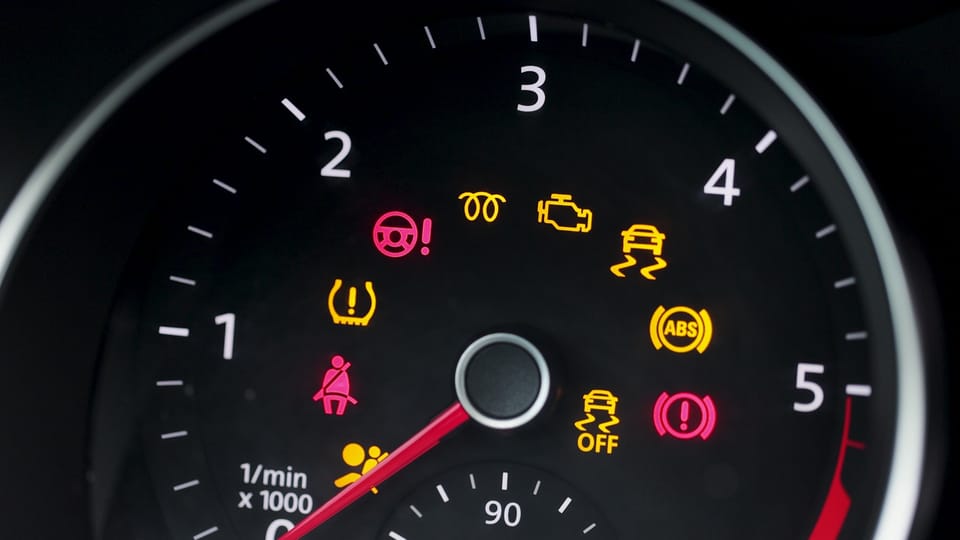
Burnout can be an overused word, so we should use it carefully and not confuse it with ordinary fatigue. Pastors should work hard, and hard work by itself usually isn’t what breaks a person. The danger tends to grow when three gauges drift into the red:
- Workload — We have to watch our capacity, not just our calendar. When our inner resources are being spent faster than they’re replenished, we can keep producing, but with less patience, creativity, resilience, and delight in God and people.
- Cynicism — When we don’t process disappointment in a healthy way, cynicism takes root and our hearts subtly harden. Compassion decreases, irritability increases, and we begin to feel that things will never get better. For pastors, cynicism is especially dangerous because it robs us of the ability to love the people we're called to serve.
- Inefficacy —Inefficacy is the creeping sense that our work isn’t making a meaningful difference, and is often compounded by criticism. Since the results of ministry can be slow, hidden, or mixed, it’s easy to think that our hard work is a failure. Our joy fades, and endurance becomes difficult.
Working hard isn’t the problem. Many pastors can carry seasons of intense labor without burning out, as long as there’s meaning, support, recovery, and a shared load. Burnout tends to take root when the work becomes unrelenting, when our hearts begin to grow cold, and when we start to believe that our work doesn’t make a difference.
So pay attention. When a day off doesn't relieve your exhaustion, when cynicism starts to color your private thoughts about others, and when you feel increasingly ineffective, don't ignore it. Those aren’t merely personal struggles; they’re pastoral warning lights. They don’t necessarily mean you’re failing. They mean you’re human, and you’re being invited to make wise adjustments before you break.