The Public Reading of Scripture

It may be one of the most disobeyed commands in Scripture: “Until I come, devote yourself to the public reading of Scripture, to exhortation, to teaching” (1 Timothy 4:13). We excel in teaching and exhortation, but I'm worried about our lack of focus on publicly reading Scripture.
Surprisingly, many mainline churches read Scripture more than evangelical ones. Their furniture emphasizes this priority by including a dedicated reading stand. They include up to four readings from Scripture: Hebrew Scriptures, Psalms, New Testament, and Gospels. Even their liturgy is full of the words of Scripture.
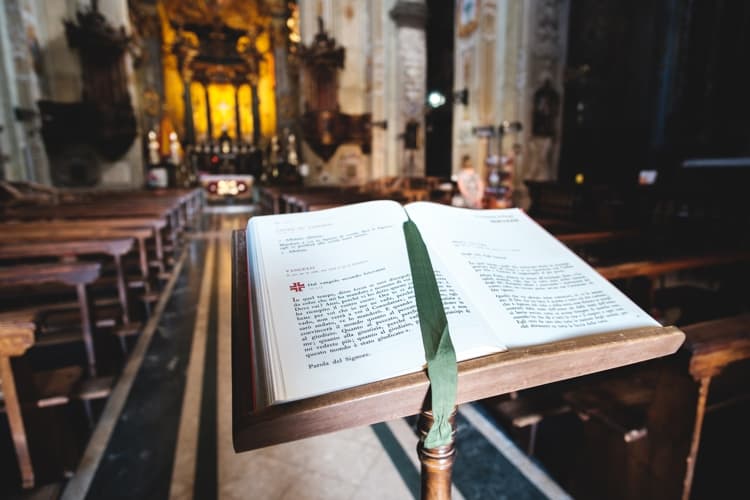
Many evangelical churches claim to prioritize Scripture, yet they often neglect its reading in public worship. Evangelical worship leaders tend to speak extemporaneously, and don’t always carefully read Scripture into their comments.
It’s time to reclaim this neglected priority in our churches.
The Power of the Word
In his book The Word-Centered Church, Jonathan Leeman makes a startling claim: “God’s Word, working through God’s Spirit, is God’s primary instrument for growing God’s church.”
God’s Word, he argues, is the most powerful force in the universe. It’s more powerful than our programs, strategies, and personalities. This is the argument of Hebrews 4:12 and 2 Timothy 3:14-17. The Word of God has power.
If this is true, Leeman suggests we ask ourselves “whether that confidence translates into how you… try to lead, structure, and grow your church if you’re a church leader.”
To show our confidence in God’s word, we can prioritize reading Scripture during public worship.
Made to Be Read
In Ezra's time, the priests read from the law. Jesus read from Isaiah in the Nazareth synagogue. The Hebrew Scriptures were regularly read in synagogue worship. Christians imported this practice into the church.
The New Testament itself repeatedly commends this practice:
I put you under oath before the Lord to have this letter read to all the brothers. (1 Thessalonians 5:27)
And when this letter has been read among you, have it also read in the church of the Laodiceans… (Colossians 4:16)
Blessed is the one who reads aloud the words of this prophecy… (Revelation 1:3)
In his First Apology, Justin Martyr described the worship of early Christians around the years 155-157:
On the day called Sunday, all who live in cities or in the country gather together to one place, and the memoirs of the apostles and the writings of the prophets are read, as long as time permits; then, when the reader has finished, the president speaks, instructing and exhorting the people to imitate these good things.
The testimony of Scripture and practice of the early church agree: God’s Word is made to be read.
Three Suggestions
- If you’re a pastor, include the public reading of Scripture as a key part of every worship service.
- Regularly read longer passages of Scripture. When starting a new book series, consider reading the entire book aloud during the first sermon if possible.
- Train your people to read well using a book like Unleashing the Word or even this short article by Tim Challies.
A simple yet powerful action we can take in our churches is to revive the public reading of Scripture.