The Sermon Is Over. The Word Isn't.

It's the Tuesday after Easter. If you're a preacher, it's time for some proverbial Wittenberg beer.
In March 1522, Martin Luther preached a sermon about the power of Scripture:
I simply taught, preached, and wrote God's Word; otherwise I did nothing. And while I slept, or drank Wittenberg beer with my friends Philip and Amsdorf, the Word so greatly weakened the papacy that no prince or emperor ever inflicted such losses upon it. I did nothing; the Word did everything.
Tuesday mornings have a way of making us second-guess ourselves. Our sermons rarely land the way we hoped. We feel the gap between what we intended and what we delivered, and we quietly wonder if any of it mattered. Luther cuts through that fog.
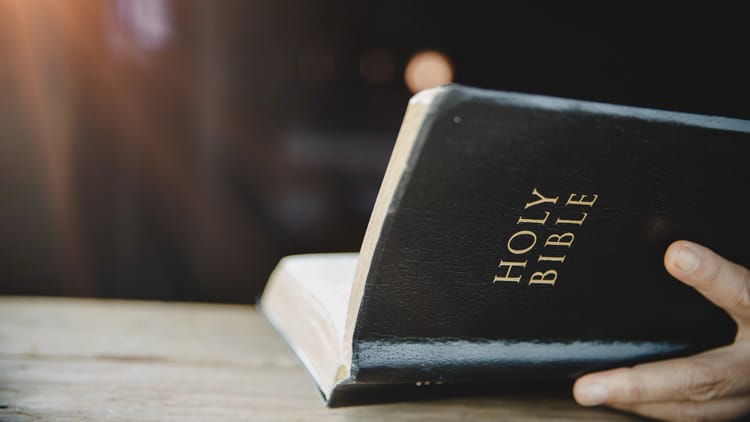
The power belongs to Scripture. We play a part, but it's not really about us. After we step down from the pulpit, the word keeps working. We do nothing; the word does everything.
Here's what that means in practice: the sermon you preached last Sunday is still doing its work. It may not have been your best, and that's okay. Do your best as a preacher, but remember that you’ll always fall short. The preached word doesn't need our best to accomplish God's purposes. It changes hearts, draws people to Jesus, and keeps spreading long after we've moved on.
Paul says it plainly: even when he's in chains, the word of God is not (2 Timothy 2:9). Jonathan Leeman captures it well: "God's Word, working through God's Spirit, is God's primary instrument for growing God's church." The Word is more powerful than our programs, strategies, or personalities. Read and mediate on Hebrews 4:12 and 2 Timothy 3:14-17 to remind yourself of the power of God’s word.
So put down the second-guessing. Go drink your Wittenberg beer. God is still at work through the imperfect preaching of His word. We did nothing; the word did everything. Praise be to God.